

Commercial Process

This vital step in the commercial construction process involves reviewing the project’s scope, budget, and timelines. It ensures alignment on design expectations, operational requirements, and regulatory compliance while addressing potential challenges. This sets the foundation for efficient collaboration and project success.
01 - INITIAL PROJECT DISCUSSION

This phase involves visiting the project site to assess its unique characteristics and requirements. Key considerations include site conditions, access points, and any potential challenges that could impact construction. The on-site consult allows for accurate planning, ensuring that the project aligns with both the design vision and practical feasibility.
02 - ON SITE CONSULT

This stage involves presenting a comprehensive design and management proposal tailored to the project's requirements. The proposal outlines the design concepts, timelines, budget estimates, and project management strategies. It ensures clarity, aligns expectations, and provides a roadmap for successful execution, setting the framework for collaboration and decision-making.
03 - DESIGN & MANAGEMENT PROPOSAL

04 - CONCEPT AND CONSTRUCTION DESIGN (BRIEFING, PLANNING, REVIEW, DOCUMENTATION, SIGN OFF AND APPROVAL)
Includes briefing, planning, and reviewing the initial design concepts. Detailed documentation is created, and necessary adjustments are made. Once reviewed, the design is signed off and approved, ensuring it meets project requirements, regulations, and budget, before moving into the construction phase.

05 - QUOTE
We will provide a comprehensive construction quote that outlines all associated costs, including materials, labor, permits, equipment, and any additional fees. Our quote will also specify the project timeline, payment terms, and conditions to ensure transparency and alignment with your expectations before we proceed with the work.
06 - CONTRACT
Formal agreement between a client and a contractor that outlines the terms and conditions of the project. It includes the scope of work, project timelines, payment terms, responsibilities, and any legal requirements. The contract serves to protect both parties by ensuring clear expectations, outlining dispute resolution procedures, and providing a framework for completing the project on time and within budget.

07- PROJECT RAMP UP
During this stage, key resources are mobilised, including labor, equipment, and materials. The team finalises any remaining preparations, sets up on-site logistics, and ensures all permits and approvals are in place. Clear communication channels are established, and the project schedule is reviewed to align stakeholders before construction work officially begins. This phase sets the foundation for a smooth and efficient project execution.

08 - PROJECT MANAGEMENT
At this stage, all preparatory work, such as site clearing and setup, is completed, and the construction team begins executing the project according to the approved plans. The project schedule is closely followed, and regular monitoring ensures that work progresses as planned. This phase sets the tone for the project's overall success, focusing on maintaining quality, safety, and adherence to timelines.

The actual building or project development begins. It involves the physical assembly of structures, installation of systems, and completion of various trades based on the approved design and specifications. This phase includes managing resources, coordinating labor, and ensuring that construction proceeds according to the project plan, budget, and schedule. Regular inspections and quality control are conducted to ensure safety, compliance, and high standards throughout the process.
09 - CONSTRUCTION
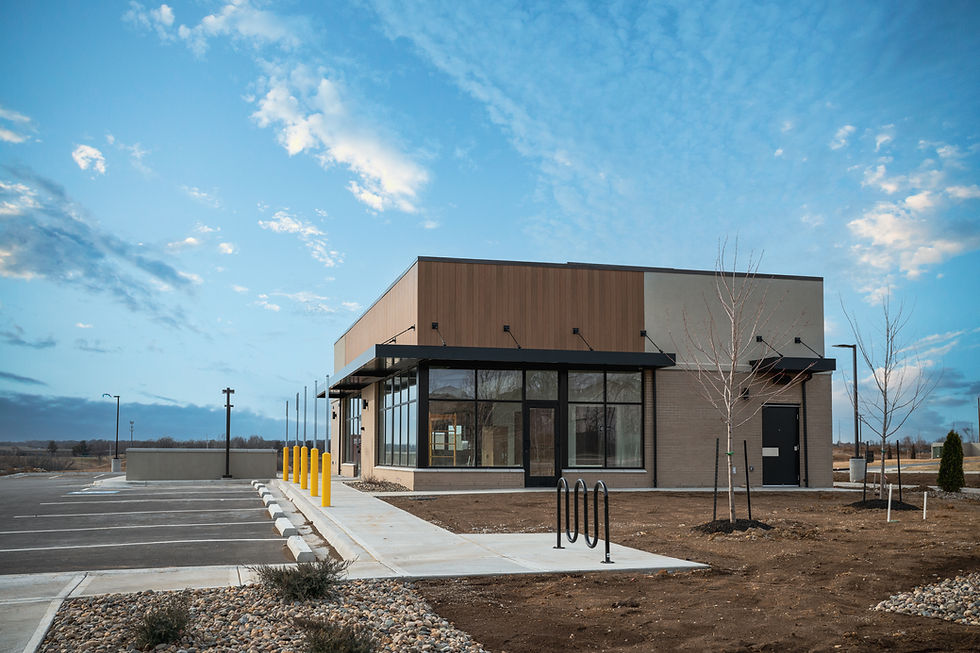
10 - PRE-HANDOVER SITE REVIEW & CERTIFICATION
Involves a final inspection of the construction site before the project is handed over to the client. During this stage, the project is thoroughly reviewed to ensure that all work has been completed according to the agreed specifications, regulations, and quality standards. Any remaining issues or defects are addressed, and necessary certifications are obtained. Once the site meets all requirements, formal certification is issued, confirming that the project is ready for handover.

11 - PRACTICAL COMPLETION
The stage where the construction project is deemed substantially complete, and the building or structure is ready for use, even if some minor tasks remain. During this phase, a final inspection is conducted to ensure all major work has been completed according to the contract. Any outstanding issues or defects are documented and addressed. Once practical completion is achieved, the project is handed over to the client, and the final payment process begins, excluding any retainage for unresolved issues.

Phase in a construction project where the completed work is formally transferred from the contractor to the client. It involves a detailed inspection to ensure all work has been finished according to the agreed specifications. During handover, any remaining minor issues are addressed, and necessary documentation, such as warranties, manuals, and certificates, is provided to the client. The project is officially deemed complete, and the client takes full possession and responsibility of the site.
12 - HANDOVER

13 - POST-HANDOVER
The period after the project has been formally completed and handed over to the client. During this phase, the contractor may address any remaining minor issues or defects that were identified during the handover process. It also involves providing support, such as maintenance, warranties, and ongoing communication to ensure the client is satisfied with the completed work. The post-handover phase ensures that any final adjustments are made, and the project meets all long-term expectations and requirements
